Waxing7 min read
Waxing vs Shaving: Which Is Right for You?
An honest comparison of waxing and shaving: how long each lasts, what regrowth feels like, cost over a year, and which suits different skin types.

Almost everyone starts with a razor. It is cheap, it is in the bathroom already, and it takes four minutes. So the honest question is not whether waxing is “better” than shaving in the abstract. It is whether the trade-offs suit you, your skin and how much time you actually want to spend on this.
Here is a straight comparison, without pretending one is right for everybody.
The fundamental difference
A razor cuts the hair off level with the skin. The follicle is untouched, and the hair that is already growing simply continues, reappearing as stubble within a day or two.
Waxing removes the entire hair, including the portion below the surface. The follicle then has to grow a completely new hair from scratch, which takes considerably longer. That single mechanical difference explains almost every other point below.
How long each lasts
Shaving buys you one to three days on most areas. Legs might stay smooth slightly longer than underarms; faces and bikini lines tend to be at the shorter end.
Waxing typically lasts two to four weeks. Body areas such as legs often sit at the longer end, while facial waxing usually needs redoing every two to three weeks because the hair there is finer and the regrowth shows sooner.
There is a caveat worth knowing. Your hairs are not all growing at the same time; they cycle independently through growing, resting and shedding phases. A wax removes everything currently visible, but hairs that were dormant at the time will surface over the following fortnight. This is why the first wax rarely feels like it lasts as long as you hoped, and why the third or fourth is noticeably better. People often abandon waxing after one appointment for exactly this reason, which is a shame, because the pattern usually improves once appointments fall into a rhythm.
What regrowth actually feels like
This is where the difference is most obvious and least talked about.
A razor cuts through the shaft at its thickest point, leaving a blunt, flat end. That is what produces the prickly feeling a day later. The hair is not thicker, it just ends abruptly. Waxed hair grows back from the root with its natural tapered tip, so as it returns it feels softer and looks finer.
Which leads to the myth: shaving does not make hair grow back thicker, darker or faster. It cannot, because the follicle is untouched. It only feels coarser because of the blunt cut edge.
Ingrown hairs
Both methods can cause them, but in different ways.
Shaving encourages ingrowns when the cut hair, with its sharp tip, curls and re-enters the skin, which is common on the bikini line, the neck and anywhere clothing rubs. Waxing can cause ingrowns when a hair breaks rather than releasing cleanly, or when dead skin blocks the follicle as the new hair tries to emerge.
The remedy for both is the same and unglamorous: gentle, regular exfoliation. Two or three times a week with a mitt or a mild chemical exfoliant, starting about forty-eight hours after an appointment. Skip it immediately after waxing, when the skin needs to be left alone, and skip it on the day itself.
Comfort
There is no point being coy: waxing hurts and shaving does not.
The sensation is short and sharp, lasting a second or two per section. Most people find it far more manageable than they expected, and most find it becomes easier over repeat appointments as hair grows back finer. Sensitivity also varies through your cycle; many people find it more uncomfortable in the few days before a period.
Shaving is painless in the moment. What it can produce is razor burn, nicks and irritation, particularly when done daily on sensitive areas.
Cost, honestly
Shaving looks cheaper and mostly is, though the gap is narrower than people assume once replacement cartridges are counted over a year. Waxing costs more per session and you are paying for someone’s time and skill as well as the result.
The genuine consideration is not money but time and predictability. Waxing means a booked appointment every few weeks. Shaving means a few minutes every couple of days, whenever you notice. Some people find the appointment a relief; others find it an imposition. Neither reaction is wrong.
Which suits which situation
Waxing tends to suit you if: you want longer-lasting results, you are travelling or on holiday, you have an event coming up, you are tired of daily upkeep, or you have found shaving irritates your skin. It is also the more practical choice for areas that are awkward to reach with a razor.
Shaving tends to suit you if: you want control day to day, you dislike the idea of letting hair grow between appointments, you have very sensitive skin that reacts to waxing, or you are using prescribed skin treatments that make waxing unsuitable.
That last point matters. Certain medications and topical treatments, including oral acne medication and retinoids, leave skin more fragile and mean waxing should be avoided. Always mention what you are using when you book, and check with your GP or prescriber if you are unsure.
The bit that catches people out
To be waxed, hair needs to be long enough for the wax to grip: roughly a quarter of an inch, about the length of a grain of rice. If you have been shaving, that means letting it grow for two to three weeks before your first appointment.
This is the single most common reason a first wax disappoints. Turning up with a few days’ growth means patchy results and a therapist working much harder for a worse outcome. If the growing-out fortnight is the part you dread, plan it for a stretch when you are not going anywhere.
If you are booking a first appointment, our guide on how to prepare for your first waxing appointment covers the rest: what to do beforehand, what happens on the day, and the questions people are usually too embarrassed to ask.
Can you switch between the two?
Yes, though not freely. Moving from shaving to waxing needs the growing-out period described above. Moving from waxing to shaving is immediate.
What is worth avoiding is shaving between waxing appointments. It resets the hairs you have spent weeks getting into a synchronised cycle, and undoes the softer regrowth that makes waxing worthwhile. If you can resist for a fortnight, the results improve considerably.
A note on facial hair
Facial waxing is a different proposition from legs. The skin is thinner, more visible and quicker to redden, and the margin for error on something like an upper lip is small.
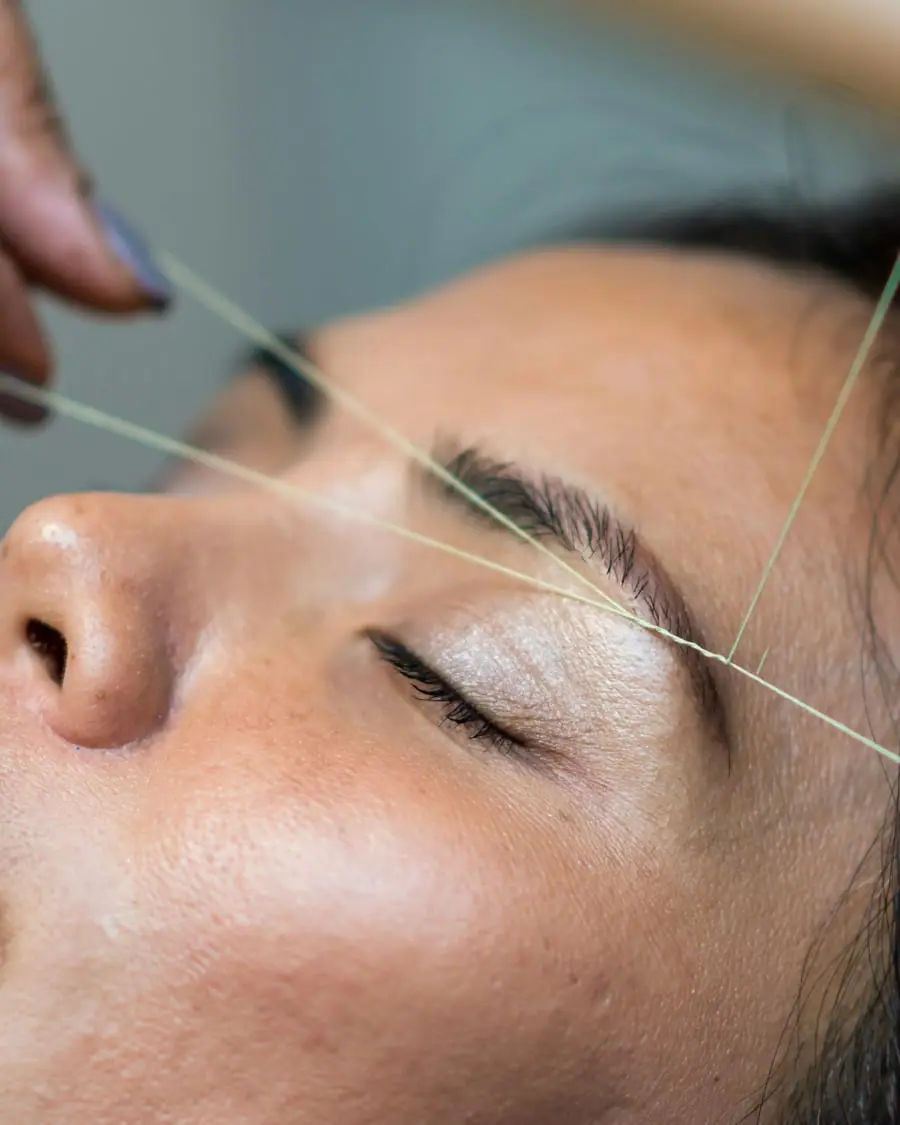
For brows in particular, many people prefer threading, which works hair by hair rather than across a strip, which gives far more control around the arch. We have written a fuller comparison in eyebrow threading vs waxing.
Where to start
If you have never been waxed and you are curious, start with something small. An underarm or an upper lip is a low-commitment way to find out how your skin responds and how you feel about the sensation, without committing to a full leg appointment.
We wax face and body areas at our salon on Herne Bay High Street, and we are happy to talk through what an area involves before you book anything. You can read more on our waxing page, or call the salon on 07337 350130 and ask, including if the question is whether waxing is a good idea for you at all.
Book with us
Have a question about this treatment?
We’re on Herne Bay High Street and happy to talk something through, whether or not you’re ready to book.