Semi-Permanent Makeup9 min read
A Guide to Semi-Permanent Makeup
How semi-permanent makeup works, how long it lasts, why the top-up appointment matters, and the questions to ask before you commit.

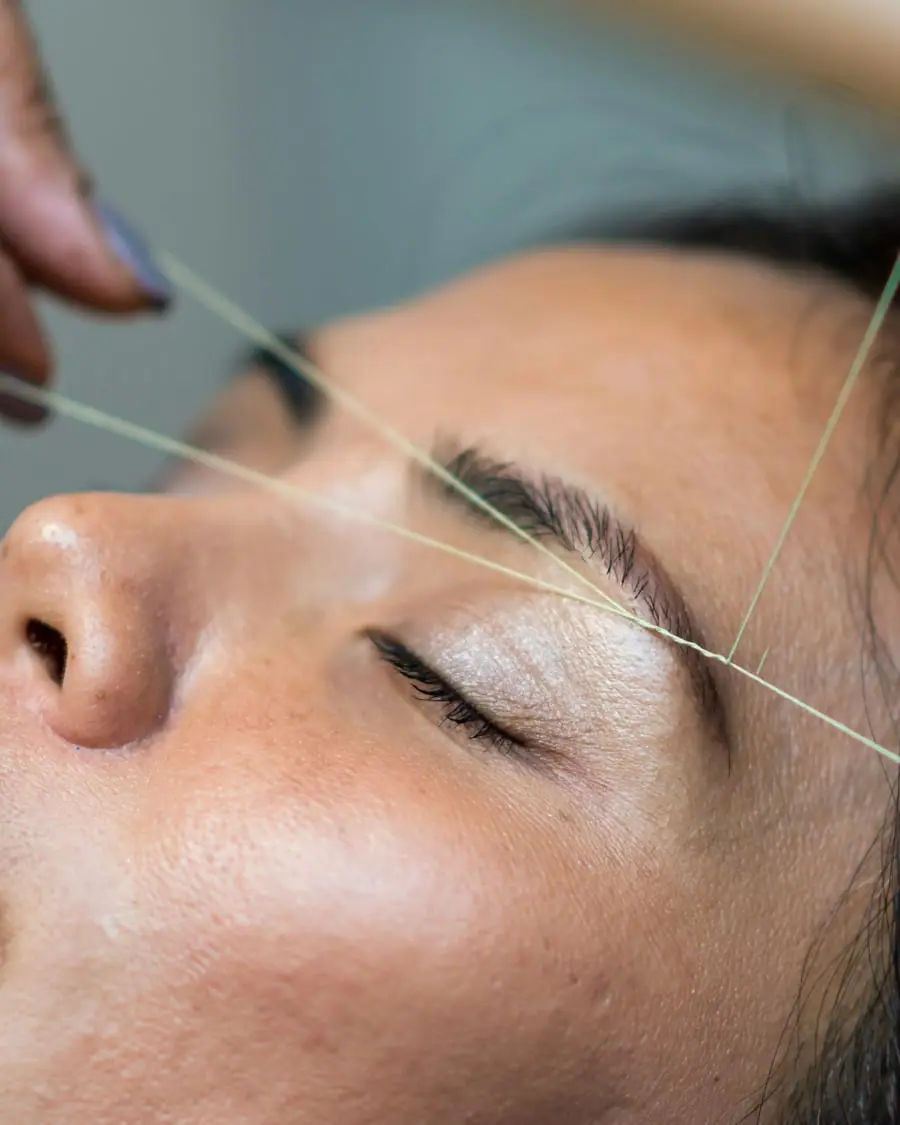
Semi-permanent makeup places pigment into the upper layers of the skin to give definition that does not wash off. It is most often used on the brows, and the appeal is straightforward: less time in front of a mirror, and a shape that stays put through swimming, rain and a Kent winter.
It is also the treatment that most deserves a slow decision. Pigment fades over time, but it does not disappear overnight, and getting the shape and colour right at the start matters far more than getting it done quickly.
Pigment is placed more superficially than a traditional tattoo, which is why it softens and fades over time rather than staying indefinitely. How long it lasts varies with skin type, sun exposure, skincare and how your body breaks the pigment down.
Oily skin tends to fade faster and softer. Regular use of exfoliating acids or retinoids near the area will speed fading. Sun exposure without protection does the same. None of this is a problem provided you know it in advance and plan for a top-up rather than expecting it to hold indefinitely.
The shape is drawn on and agreed with you before any pigment is used, and it is worth taking your time at this stage. Brows should follow your own bone structure and existing growth rather than a shape you have seen on someone else.
Colour is chosen to work with your natural hair and skin tone, and is usually taken a little softer than people expect. Pigment looks considerably darker immediately afterwards and settles over the following weeks, so starting conservatively is the right instinct.
A patch test is required in advance to check for a reaction to the pigment. This is not something that can be done on the day of treatment, so plan for two appointments from the outset.
Semi-permanent makeup is not suitable for everyone. Certain medical conditions, medications, skin conditions in the treatment area, pregnancy and breastfeeding may all mean it should be postponed or avoided. Discuss your full history at consultation, and speak to your GP if you are unsure.
A top-up appointment several weeks after the first is a normal part of the process rather than a sign something went wrong. Pigment settles unevenly as it heals, and the second session evens it out.
Shape and colour are agreed at a patch test and consultation before the first appointment.
| Treatment | Price |
|---|---|
| Powder brows | £190 |
| Ombré brows | £190 |
| Eyelash enhancement (eyeliner) | £120 |
| Lip blush4 to 6 week touch-up included | £190 |
| Treatment | Price |
|---|---|
| Advanced microblading | £250 |
| Hairstroke brows | £250 |
| Combo brows | £250 |
A patch test is required in advance and cannot be carried out on the day of treatment.
Priced by how long it has been since your last appointment, because the longer it is left the more work is involved.
| Treatment | Price |
|---|---|
| 6 months | £80 |
| 12 months | £120 |
| 18 months | £160 |
Why clients choose it
01
Shape and colour hold through swimming, exercise and weather, which is the main reason most people consider it.
02
The brow is drawn on and adjusted with you first, so you see and approve the shape before anything is permanent.
03
Tone is matched to your hair and skin and taken conservatively, since pigment can be built on but not easily taken away.
04
A separate appointment beforehand checks how your skin responds to the pigment.
Your appointment
A consultation covering your medical history, expectations, and whether the treatment is suitable for you.
A patch test at a separate, earlier appointment.
At the treatment itself, the shape is drawn on and agreed with you before anything else happens.
Pigment is applied in stages, with breaks and checks throughout. The area is usually numbed with a topical product.
A top-up appointment several weeks later to even out how the pigment has healed.
Questions
It varies widely, commonly somewhere between one and three years before it has faded substantially, but skin type, sun exposure and skincare all change that. Oily skin and regular use of acids or retinoids near the area will shorten it.
A topical numbing product is normally used, and most people describe the sensation as scratching or pressure rather than sharp pain. Sensitivity varies, and it can feel more noticeable at certain points in your cycle.
Pigment heals unevenly, and some areas take more than others, so a second session several weeks later refines the shape and evens the colour. It is a standard part of the process, not a correction.
Only with plenty of time. Allow at least six to eight weeks so the initial healing and the top-up are both complete and the colour has settled. Booking it close to the date is the most common regret we hear about.
Removal is possible but it is a separate process, it is not guaranteed to be complete, and it can be lengthy. That asymmetry, easy to add and hard to undo, is exactly why we keep the initial shape and colour conservative.
Further reading
You might also like