Semi-Permanent Makeup9 min read
A Guide to Semi-Permanent Makeup
How semi-permanent makeup works, how long it lasts, why the top-up appointment matters, and the questions to ask before you commit.

Semi-permanent makeup is the treatment people research the longest before booking, and rightly so. It is easy to add and difficult to undo, which makes it unlike almost anything else on a salon menu. This guide covers how it works, what the process actually involves, and the questions worth asking before you commit.
What it is
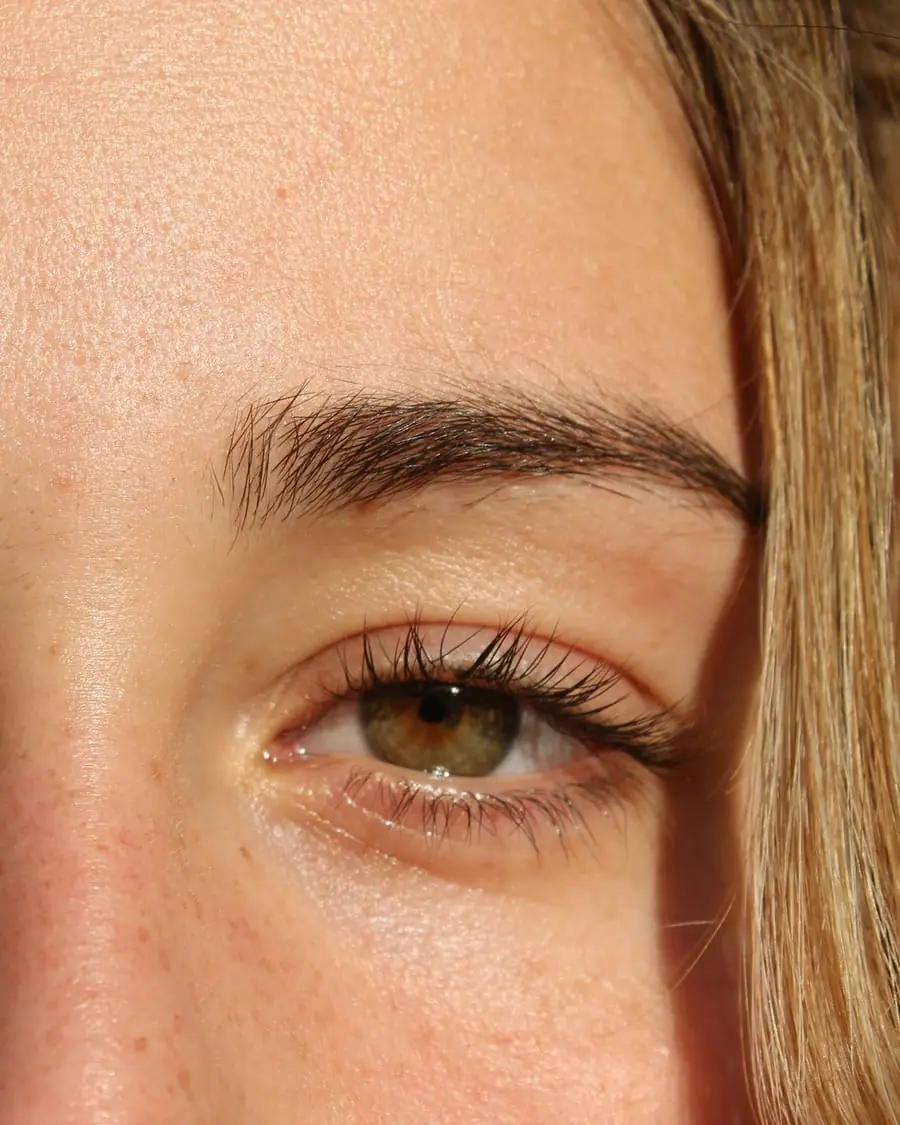
Pigment is placed into the upper layers of the skin to create definition that does not wash off. Most commonly it is used on the brows, though it is also applied as eyeliner and lip colour.
It differs from a traditional tattoo in two ways: the pigment sits more superficially, and the pigments themselves are formulated to break down over time. That is why it fades rather than staying indefinitely, and why “semi-permanent” is accurate rather than a marketing softener.
You may see it called microblading, micropigmentation, ombré brows, powder brows or cosmetic tattooing. These describe different techniques and finishes rather than fundamentally different treatments.
How long it lasts
The usual range is one to three years before it has faded substantially, but the variation between individuals is wide, and it depends on things largely outside your control.
Skin type is the biggest factor. Oily skin breaks pigment down faster and tends to blur finer strokes, so a softer, powdered finish often wears better than crisp hair strokes.
Sun exposure fades pigment reliably. Sun protection over the area once healed makes a genuine difference.
Your skincare matters more than people expect. Retinoids and exfoliating acids used near the brow will speed fading considerably. If you use them nightly, factor that in.
Your own metabolism plays a part, and there is no way to predict it in advance.
None of this is a problem provided you know it going in and plan for periodic top-ups rather than expecting it to hold indefinitely.
The process, start to finish
Consultation. Your medical history, medication, expectations and suitability are discussed. This is where you find out whether the treatment is appropriate for you at all.
Patch test. Required in advance to check for a reaction to the pigment, and it cannot be done on the day of treatment. Plan for two separate visits from the outset. This is the step that most often catches out people working to a deadline.
Shape mapping. At the treatment appointment, the brow shape is drawn on and agreed with you before any pigment is used. Take your time here. It is the single most important stage, and there is no such thing as spending too long on it.
The treatment. A topical numbing product is normally applied. Pigment is worked into the skin in stages, with breaks and regular checks. Most people describe the sensation as scratching or pressure rather than sharp pain.
Healing. Over the following days the area darkens, then flakes, then fades, often dramatically. More on this below.
Top-up. A second appointment several weeks later evens out how the pigment has healed. This is a standard part of the process, not a correction.
Choosing shape and colour
The brow should follow your own bone structure and existing growth. A shape that looks striking on someone else may not sit well on your face, and a good technician will tell you so before starting.
Colour is matched to your natural hair and skin tone, and is usually taken a shade softer than clients expect. There is a good reason: pigment can always be built up at the top-up appointment, but it cannot easily be taken away. Starting conservatively is the right instinct, and if your technician suggests going lighter than you had in mind, that is generally sound advice rather than caution for its own sake.
Bring photographs of brows you like and, just as usefully, brows you do not.
The healing period, honestly
This is the stage nobody warns people about adequately, and it is where most of the panic happens.
For the first few days the brows look considerably darker and bolder than the final result. Then the area flakes, and as it does the colour appears to vanish almost entirely. Many people conclude at this point that the treatment has failed.
It has not. Pigment settles into the skin over several weeks and the colour re-emerges gradually. Judge the result only after the top-up appointment, not at day three, and not at day ten.
The other rule during healing: do not pick. As the area flakes it will be tempting, and picking pulls pigment out unevenly, producing patchiness that then has to be corrected.
Aftercare
Healing affects the final result more than the treatment itself does, so follow the written instructions you are given exactly.
Generally that means keeping the area dry as directed, avoiding swimming, saunas and steam, keeping it out of direct sun, not applying make-up over it, and not picking at it. Once healed, sun protection over the area will slow fading noticeably.
Who it is not suitable for
Semi-permanent makeup is not appropriate for everyone. Certain medical conditions and medications, skin conditions affecting the treatment area, pregnancy and breastfeeding may all mean it should be postponed or avoided.
Discuss your full medical history at consultation, and speak to your GP if you are unsure. A technician who does not ask about your health is a technician to avoid.
Questions to ask before booking anywhere
These apply to any provider, not just us:
- Who will be carrying out the treatment, and what training have they had?
- Are they registered with the local authority for this procedure, and are they insured?
- What pigments are used?
- Can I see healed results, not just photographs taken immediately afterwards?
- Is a patch test included, and how far in advance?
- Is the top-up appointment included in the price?
- What happens if I am unhappy with the result?
Healed photographs are the important one. Freshly done brows always look impressive; what matters is how the work looks six weeks and six months later. Any technician proud of their work will have healed results to show you.
Be wary of pressure to book immediately, of time-limited discounts on a treatment this permanent, and of anyone unwilling to answer any of the above.
Can it be removed?
Removal is possible, but it is a separate process, it can take multiple sessions, it is not guaranteed to be complete, and it is more expensive and more uncomfortable than the original treatment.
That asymmetry is the whole reason for the caution running through this article. Going conservative on shape and colour costs you very little, because you can always add more. Going bold and regretting it is a considerably harder problem.
Timing around an event
Do not book semi-permanent makeup close to a wedding or holiday. Allow at least six to eight weeks, which covers the patch test, the initial treatment, the full healing period and the top-up.
This is the most common regret we hear about. Our guide to planning treatments before a special occasion sets out the full countdown.
Should you have it done at all?
A fair question, and the answer is not automatically yes.
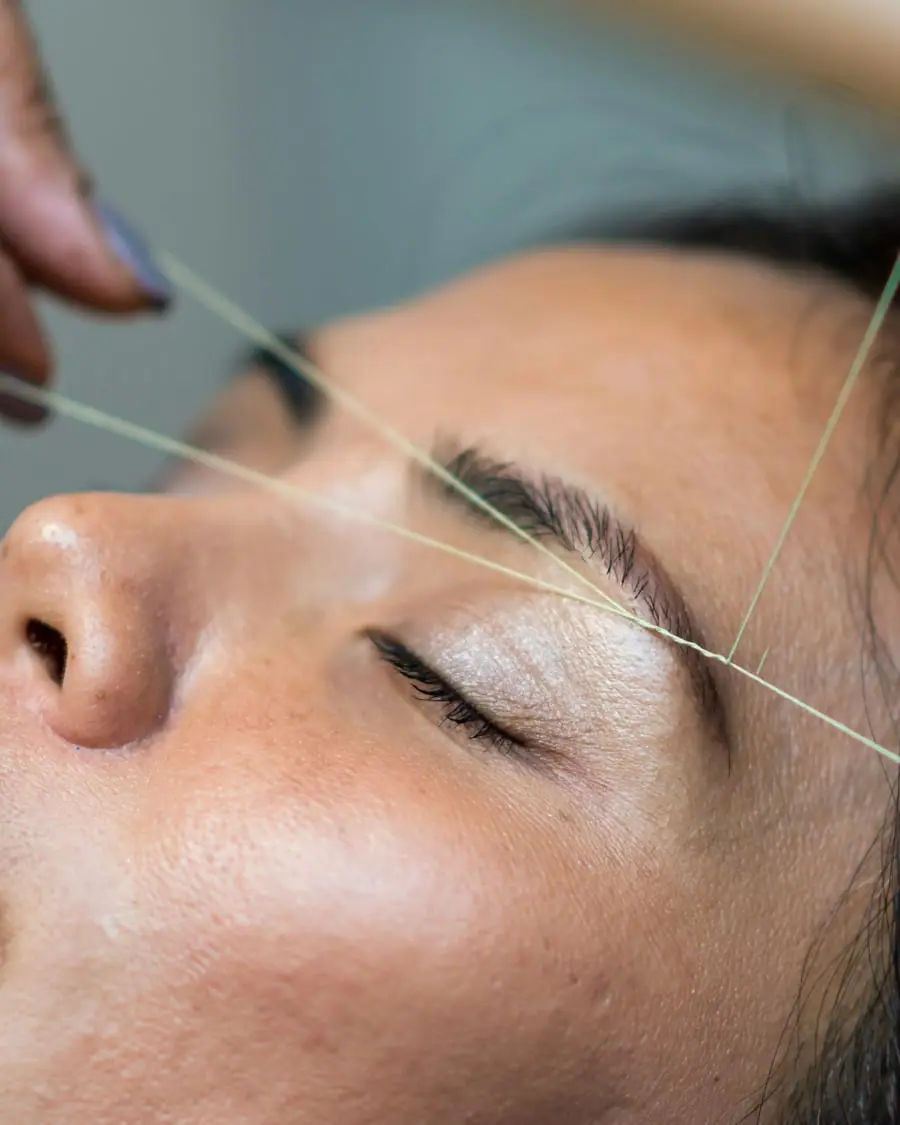
If you are happy with your brows and simply maintain them with regular threading, you may not need anything more. If your brows are sparse from over-plucking, give natural regrowth a proper chance first. It takes months, but it costs nothing and it is entirely reversible.
Semi-permanent makeup makes most sense for people who have genuinely sparse brows, who struggle with brow products daily, who have conditions affecting hair growth, or who simply want the time back each morning.
Booking with us
We take a consultation-led approach to semi-permanent makeup, with a patch test in advance and shape and colour agreed carefully before anything begins. You are welcome to have a consultation and go away to think about it. That is a perfectly good outcome.
Read more on our semi-permanent makeup page, or call the salon on 07337 350130 to arrange a consultation.
Book with us
Have a question about this treatment?
We’re on Herne Bay High Street and happy to talk something through, whether or not you’re ready to book.